
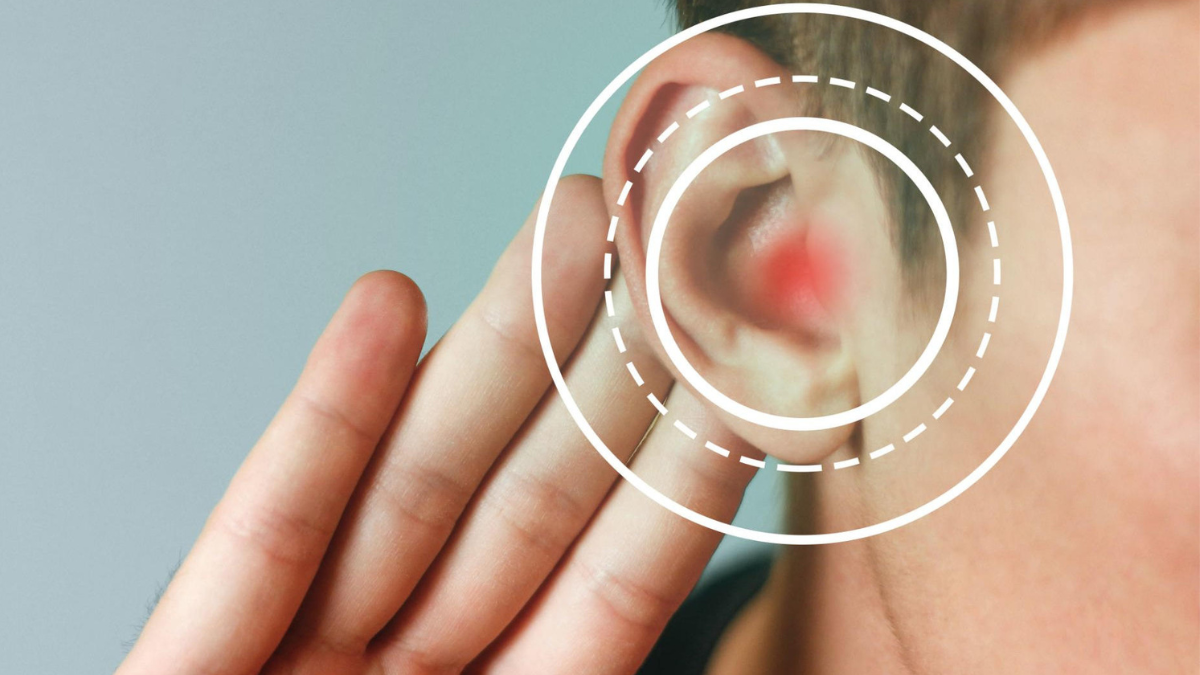
Hearing is something most of us take for granted—until it starts fading. Maybe conversations feel muffled, or you find yourself turning up the TV louder than usual. Naturally, the question arises: can ear damage actually be reversed?
At Dr. Anil Gwaliorkar’s clinic, a trusted name for advanced ENT care, many patients seek answers about can ear microsurgery restore hearing and whether surgical options can truly bring sound back to life. If you’re exploring options like
Why Hearing Loss Happens
Hearing loss can result from various causes:
- Chronic ear infections
- Eardrum perforation
- Damage to tiny ear bones (ossicles)
- Age-related inner ear degeneration
- Noise exposure
Think of your ear like a finely tuned orchestra. If even one instrument goes off-key, the entire performance suffers.
How dizziness feels in daily life
Here’s the honest truth: not all hearing loss is reversible. But the encouraging part? Certain types—especially conductive hearing loss—can often be significantly improved or even restored with ear microsurgery.
What Is Ear Microsurgery?
Definition and Scope
Ear microsurgery refers to highly precise surgical procedures performed using a microscope or endoscope to repair delicate structures inside the ear. It focuses on restoring normal sound transmission.
How Microsurgery Differs from Traditional Ear Surgery
Unlike older techniques, microsurgery:
- Uses magnification for accuracy
- Minimizes tissue damage
- Offers faster recovery
- Improves surgical outcomes
It’s like switching from a flashlight to a high-definition camera—you simply see more and operate better.
Types of Hearing Loss Explained
Conductive Hearing Loss
This occurs when sound cannot pass efficiently through the outer or middle ear. Common causes include:
- Ear infections
- Eardrum perforation
- Ossicle damage
👉 This is the most treatable type with surgery.
Sensorineural Hearing Loss
This involves damage to the inner ear or auditory nerve. Causes include:
- Aging (presbycusis)
- Noise exposure
- Genetic factors
Unfortunately, this type is usually not reversible with microsurgery.
Mixed Hearing Loss
A combination of both types—requiring a hybrid treatment approach.
Can Ear Microsurgery Restore Hearing?
When Surgery Works Best
The answer to “can ear microsurgery restore hearing” is: yes, in the right cases.
Microsurgery is highly effective when:
- The eardrum is damaged (tympanoplasty)
- Ear bones are disrupted (ossiculoplasty)
- There is otosclerosis (stapedectomy)
Studies show:
- Stapedectomy success rates reach 85–95%, with significant hearing improvement
- Tympanoplasty often results in 10–20 dB hearing gain
- There is otosclerosis (stapedectomy)
Limitations of Ear Microsurgery
However, surgery cannot:
- Regrow damaged inner ear hair cells
- Reverse nerve-related hearing loss
In such cases, hearing aids or cochlear implants are better solutions.
Common Ear Microsurgery Procedures
Tympanoplasty
Repairs a torn eardrum and prevents recurrent infections while improving hearing.
Ossiculoplasty
Reconstructs damaged middle ear bones to restore sound conduction.
Stapedectomy
A highly effective surgery for otosclerosis, replacing a fixed bone with a prosthesis.
Success Rates of Ear Microsurgery
What the Data Shows
- 85–95% success in stapedectomy
- High closure rates in eardrum repair
- Significant hearing improvement in most conductive cases
Factors Affecting Outcomes
- Severity of damage
- Surgeon expertise
- Patient’s overall ear health
- Post-operative care
When Surgery Cannot Restore Hearing
Sensorineural Hearing Loss Limitations
Microsurgery cannot fix:
- Inner ear hair cell damage
- Auditory nerve disorders
Alternative Treatments
- Hearing aids
- Cochlear implants
- Assistive listening devices
- For more clinical guidance, refer to
Signs You May Need Ear Microsurgery
Symptoms to Watch For
- Persistent ear discharge
- Hearing loss in one ear
- Manage stress
- Tinnitus (ringing sound)
When to Consult an ENT Specialist
If symptoms persist for weeks, it’s time to consult a Best ENT Specialist Doctor in Indore.
Diagnosis Before Ear Surgery
Hearing Tests and Audiometry
- Audiogram
- Tympanometry
Imaging and Clinical Evaluation
- CT scans for structural issues
- ENT examination
What to Expect Before, During, and After Surgery
Pre-Surgery Preparation
- Hearing tests
- Medical evaluation
Procedure Overview
- Usually done under local or general anesthesia
- Takes 1–3 hours
Recovery Timeline
- Mild discomfort for a few days
- Hearing improvement over weeks
Risks and Complications of Ear Microsurgery
Common Risks
- Infection
- Temporary dizziness
- Taste disturbance
How Risks Are Managed
Modern techniques and expert care significantly reduce complications.
Future of Hearing Restoration
Gene Therapy and Regenerative Medicine
Emerging research shows promising results in regenerating inner ear cells.
What This Means for Patients
While still experimental, the future may redefine what “reversible hearing loss” means.
Call to Action (CTA)
Struggling with hearing issues? Don’t wait for it to worsen. Early diagnosis can make all the difference.
👉 Book a consultation today and explore advanced treatment options tailored to your condition.
Why Choose Us?
Expertise and Advanced Care
- Advanced microsurgical techniques
- Personalized treatment plans
- Proven success rates
Personalized Treatment Approach
Every ear is different—and so is every treatment plan. You receive care designed specifically for your condition.
Conclusion
Dizziness and vertigo may feel similar, but they are fundamentally different conditions with distinct causes and treatments. The key is recognizing your symptoms early and seeking the right medical guidance. Whether it’s a simple case of dehydration or a more complex vestibular disorder, the right diagnosis leads to the right treatment—and a faster return to normal life.
The key is early evaluation, accurate diagnosis, and expert care. If you’ve been ignoring symptoms, now is the time to act.
FAQs (Voice Search Optimized)
It can fully or partially restore hearing in conductive hearing loss cases, but not in most sensorineural cases.
Yes, it is generally safe with minimal risks when performed by an experienced ENT specialist.
Most patients recover within 2–4 weeks, with gradual hearing improvement.
Patients with eardrum damage, ossicle issues, or otosclerosis are ideal candidates.
Procedures like stapedectomy have success rates as high as 85–95%.