
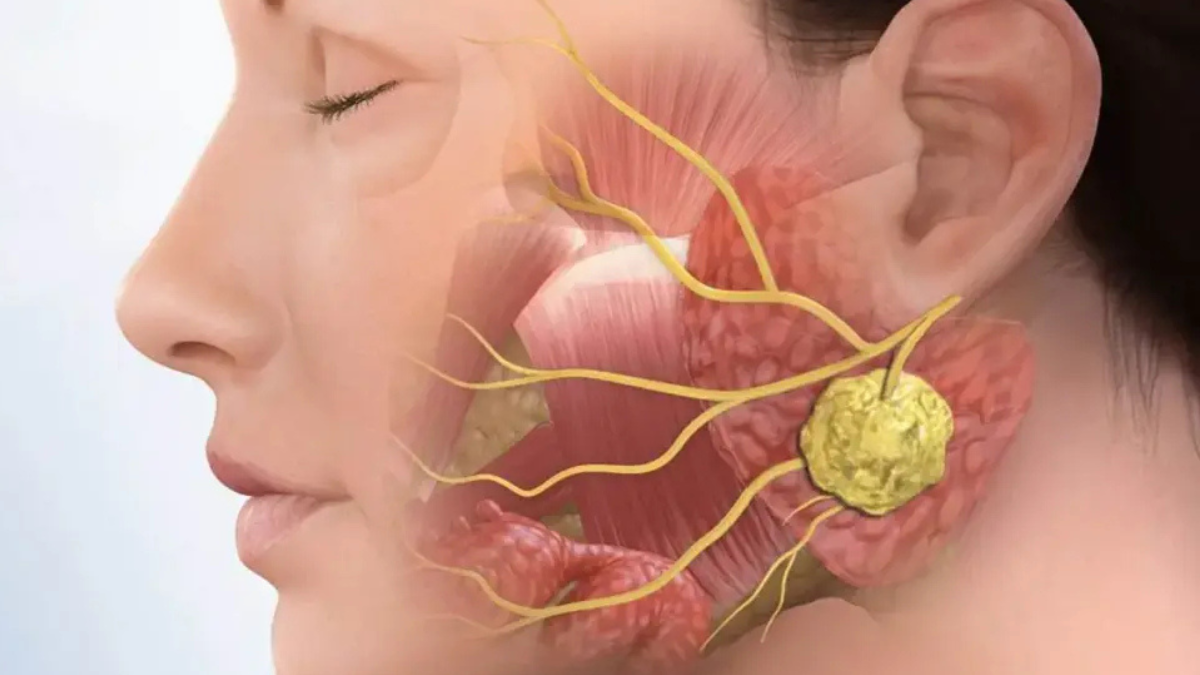
Understanding the Role of Salivary Glands in the Body
Saliva might seem like a minor bodily fluid, but it plays a starring role in digestion, oral hygiene, and overall health. Your body has three major salivary glands — parotid gland, the submandibular, and sublingual — along with hundreds of minor glands scattered in the mouth. These glands continuously produce saliva that helps you chew, swallow, speak, and even protect your teeth from decay. When something disrupts this system, the effects are surprisingly uncomfortable and sometimes alarming.
Salivary gland lesions occur when these glands develop swelling, obstruction, infection, or tumors. The problem is that many people ignore early salivary gland lesions symptoms, thinking it’s just a minor swelling or infection. But in reality, these symptoms can point toward conditions like pleomorphic adenoma, mucoepidermoid carcinoma, or chronic sialadenitis.
If you are looking for expert evaluation and care, you can explore specialized treatment for Salivary Gland Lesions in Indore from an experienced ENT specialist.
What Are Salivary Gland Lesions?
Salivary gland lesions are abnormal changes in the structure or function of salivary glands. These can be broadly categorized into three groups.
Non-Neoplastic Lesions
Studies show 89% of salivary gland cases are non-neoplastic, meaning they are not tumors. The most common example is mucocele, accounting for over 84% of these cases. These include infections, cysts, inflammation, and blockages like sialolithiasis.
Benign Tumors
Benign tumors are non-cancerous but may grow slowly over time. Among these, pleomorphic adenoma is the most common, especially in the parotid gland.
Malignant Tumors
These are cancerous growths, and though less common, they need immediate medical attention. The leading type is mucoepidermoid carcinoma.
Salivary Gland Lesions Symptoms You Shouldn’t Ignore
Symptoms often start subtly. A painless lump near the ear, jaw, or under the tongue is often the first sign. Some people experience pain while eating, dry mouth, difficulty swallowing, or facial numbness. Recurrent swelling during meals is a classic sign of sialolithiasis.
You might even notice pus discharge inside the mouth in cases of infection. Persistent symptoms like these signal the need for proper salivary gland tumor diagnosis.
It’s like switching from a flashlight to a high-definition camera—you simply see more and operate better.
Why the Parotid Gland Is Most Frequently Affected
The parotid gland is the largest salivary gland and the most common site for both benign and malignant tumors. Its size, location, and complex duct system make it more vulnerable to obstructions, infections, and abnormal growths.
Research shows that 3–6% of all head and neck tumors originate from salivary glands, with the parotid being the primary site.
Who Is at Risk? (Age, Gender & Lifestyle Factors)
A retrospective study of 105 cases found the average age to be 56.6 years, with most patients in the 7th decade of life. Males are slightly more affected (53%). Urban populations showed a higher incidence, possibly due to lifestyle and environmental exposure.
Smoking, dehydration, poor oral hygiene, and radiation exposure increase the risk of developing salivary gland disorders.
How Salivary Gland Tumors Diagnosis Is Done
Clinical Examination
ENT specialists begin with a physical examination to assess swelling, tenderness, and nerve involvement.
Imaging Tests
Ultrasound, CT scans, and MRI help identify the size and nature of the lesion.
Fine-Needle Aspiration (FNA)
Fine-needle aspiration is a quick, minimally invasive test that extracts cells for analysis to differentiate between benign and malignant tumors.
Sialendoscopy
A modern technique where a tiny endoscope is inserted into the salivary duct to diagnose and sometimes treat obstructions.
Authoritative ENT bodies like the American Academy of Otolaryngology–Head and Neck Surgery recommend FNA and imaging as standard diagnostic tools.
Salivary Gland Disorders Treatment Options
Medications & Conservative Care
Antibiotics, hydration, massage, and warm compresses work well for infections and inflammation.
Minimally Invasive Procedures
Sialendoscopy helps remove stones without major surgery.
Surgical Management
Tumors, especially in the parotid gland, often require surgical removal while preserving facial nerves.
When Is Salivary Gland Surgery Necessary?
Surgery is recommended when tumors are detected, stones cannot be removed conservatively, or infections become recurrent. Timely Salivary Gland Surgery in Indore ensures minimal complications and faster recovery under expert care.
Recovery and Post-Treatment Care
Recovery depends on the procedure. Most patients resume normal activity within days. Proper oral hygiene, hydration, and follow-up visits are essential.
Importance of Early Detection
Early diagnosis prevents complications like facial nerve damage, abscess formation, or cancer progression. Don’t ignore persistent swelling.
Salivary Gland Lesions in Indore – Expert Care Available
If you notice any salivary gland lesions symptoms, seeking early care is vital. Advanced diagnostic tools and minimally invasive techniques are available for Salivary Gland Lesions in Indore with experienced ENT expertise.
Call to Action – When to Book a Consultation )
Notice swelling near your jaw or ear? Pain while eating? Don’t delay. Early consultation leads to simpler treatment and better outcomes.
Why Choose Dr. Anil Gwaliorkar for Treatment?
Dr. Anil Gwaliorkar is known as the best ENT specialist in Indore for managing complex salivary gland conditions. From fine-needle aspiration to advanced sialendoscopy and surgery, comprehensive care is available. Learn more at
Conclusion
Salivary gland lesions range from simple infections to serious tumors. Understanding salivary gland lesions symptoms, timely salivary gland tumors diagnosis, and proper salivary gland disorders treatment can prevent major complications. With expert ENT care available locally, effective treatment is within reach.
FAQs (Voice Search Optimized)
Painless swelling, pain while eating, dry mouth, and recurrent gland swelling.
No, it is a benign tumor but requires removal.
Through imaging and fine-needle aspiration.
To diagnose and remove salivary stones without surgery.
They are rare, with global prevalence between 0.4–13.5 per 100,000 annually.