
Breathing Trouble? Learn About Nasal Polyps and How to Treat Them
Struggling to breathe through your nose even when you don’t have a cold? Do you feel constant sinus pressure or notice that food suddenly tastes bland because you can’t smell properly? These symptoms might point to nasal polyps, a common yet often misunderstood nasal condition.
For patients in Indore dealing with chronic sinus issues, expert evaluation is important. Many people consult specialists like Dr. Anil Gwaliorkar, recognized as the best ENT specialist in Indore , for diagnosis and treatment of conditions like nasal polyps, chronic sinusitis, and breathing difficulties.
Let’s break down what nasal polyps are, why they cause breathing trouble, and the most effective treatment options available today.
What Are Nasal Polyps?
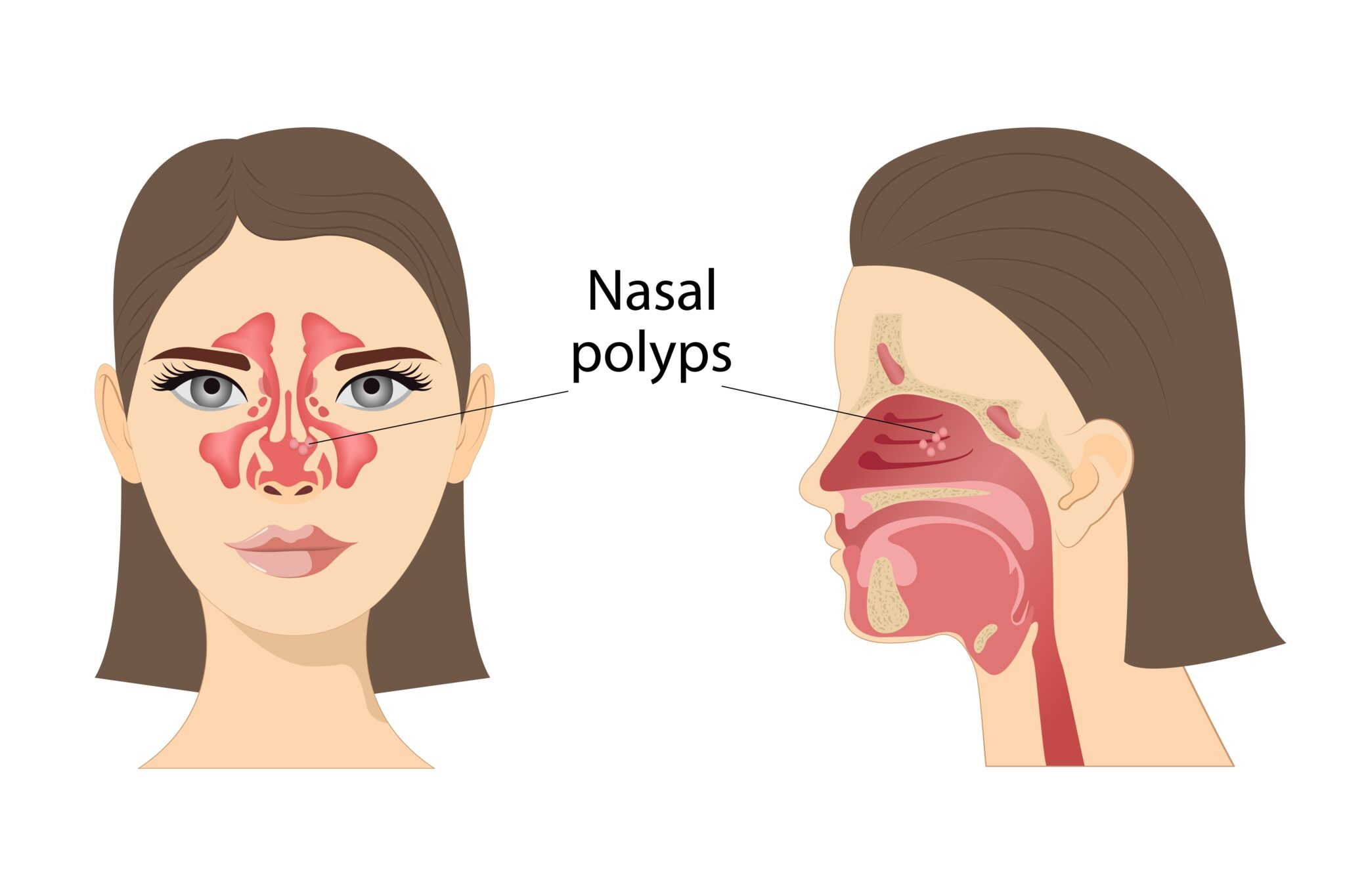
Nasal polyps are soft, painless growths that develop inside the nasal passages or sinuses due to chronic inflammation. Think of them as tiny grapes or teardrop-shaped tissues hanging inside the nose. While small polyps may go unnoticed, larger ones can block airflow and cause persistent symptoms.
Understanding Chronic Rhinosinusitis with Nasal Polyps (CRSwNP)
In medical terms, many cases are linked to Chronic Rhinosinusitis with Nasal Polyps (CRSwNP). This condition involves long-term sinus inflammation, leading to polyp formation and breathing obstruction.
How Common Are Nasal Polyps?
Studies estimate that 1–4% of adults develop nasal polyps, with men slightly more affected than women (NIH data). Prevalence increases with age and is most common between 20 and 50 years.
Why Nasal Polyps Cause Breathing Problems
magine trying to breathe through a straw that’s partially blocked—that’s what nasal polyps can do inside your nasal passages.
Nasal Obstruction and Airflow Blockage
Large polyps block airflow, causing:
- Difficulty breathing through the nose
- Constant congestion
- Mouth breathing during sleep
Loss of Smell and Sinus Pressure
Smell loss is one of the most frustrating symptoms. Research shows olfactory dysfunction scores reach a median severity of 8 out of 10 in many patients, making it one of the most severe symptoms of nasal polyps.
Common Symptoms of Nasal Polyps
Symptoms often develop slowly and may resemble chronic sinusitis.
Typical nasal polyps symptoms include:
- Persistent nasal congestion
- Reduced or lost sense of smell
- Post-nasal drip
- Facial pain or sinus pressure
- Frequent sinus infections
- Snoring or sleep disturbance
In fact, surveys show 46% of patients report nasal polyps significantly affect their daily activities and work productivity.
Causes and Risk Factors of Nasal Polyps
The exact cause is not always clear, but chronic inflammation plays a major role.
Chronic Sinus Inflammation
Long-term inflammation of the sinus lining triggers tissue swelling and polyp formation.
Asthma and Allergies
Nasal polyps often occur alongside:
- Asthma
- Allergic rhinitis
- Chronic sinus infections
Aspirin Sensitivity (AERD)
Some patients have aspirin-exacerbated respiratory disease, where aspirin triggers severe sinus inflammation and polyp growth.
How Doctors Diagnose Nasal Polyps
ENT specialists typically use a combination of tests.
Nasal Endoscopy
A thin camera called an endoscope is inserted into the nose to visualize polyps directly.
CT Scan of Sinuses
CT imaging helps determine:
- Polyp size
- Sinus blockage
- Severity of chronic rhinosinusitis
These evaluations help determine whether medical treatment or surgery is needed.
Non-Surgical Treatment Options for Nasal Polyps
Many patients improve with medication.
Nasal Steroid Sprays
Used by about 94% of patients, steroid sprays reduce inflammation and shrink polyps.
Oral Steroids
Oral corticosteroids may temporarily reduce large polyps, though long-term use is limited due to side effects.
Biologic Therapy
New medications like dupilumab target inflammatory pathways and help control severe nasal polyps when other treatments fail.
When Is Nasal Polyp Surgery Needed?
Surgery may be recommended if:
- Medications fail to relieve symptoms
- Nasal obstruction becomes severe
- Recurrent sinus infections occur
Patients requiring surgical management can explore advanced Nasal Polypectomy Surgery in Indore for safe removal of polyps and restoration of normal breathing.
Endoscopic Sinus Surgery for Nasal Polyps
What Is Functional Endoscopic Sinus Surgery (FESS)?
FESS is a minimally invasive procedure performed through the nostrils using an endoscope. Surgeons remove polyps and open blocked sinus pathways without external incisions.
Success Rates and Outcomes
Clinical studies report 76–97.5% success rates for endoscopic sinus surgery, making it the most effective treatment for severe nasal polyps.
According to ENT research guidelines published by international otolaryngology organizations, surgical treatment combined with medication offers the best long-term control of chronic sinus disease (ENT UK).
Recovery After Nasal Polyp Surgery
Recovery is typically quick.
Most patients experience:
- Mild nasal discomfort
- Temporary congestion
- Return to normal activities within 1–2 weeks
Regular follow-up visits help ensure proper healing and reduce recurrence.
Can Nasal Polyps Come Back?
Yes, recurrence can occur. Studies show recurrence rates between 5% and 31% depending on disease severity and treatment adherence.
However, proper post-surgery care significantly reduces this risk.
Long-Term Management and Prevention
Long-term control often includes:
- Regular nasal steroid sprays
- Saline nasal irrigation
- Allergy control
- Periodic ENT checkups
Combining medical therapy with surgery gives the best long-term symptom control.
When Should You See an ENT Specialist?
Seek medical evaluation if you experience:
- Persistent nasal blockage lasting more than 10–12 weeks
- Frequent sinus infections
- Loss of smell
- Difficulty breathing through the nose
Early diagnosis helps prevent complications and improves treatment success.
Frequently Asked Questions
Yes. Large polyps block nasal airflow, making breathing difficult and forcing mouth breathing.
Not always. Smell usually improves after proper treatment or surgery.
No. Many patients respond to medications such as steroid sprays or biologic therapies.
Endoscopic sinus surgery has success rates between 76% and 97.5% in clinical studies.
Most patients return to normal activities within 1–2 weeks.
Book a Consultation for Nasal Polyp Treatment
If breathing problems, sinus pressure, or smell loss are affecting your daily life, a professional evaluation can help identify the cause and determine the best treatment approach.
Why Choose Dr. Anil Gwaliorkar for Nasal Polyp Treatment
Patients seeking expert ENT care in Indore often choose Dr. Anil Gwaliorkar because of:
- Extensive experience in endoscopic sinus surgery
- Advanced diagnostic technology
- Personalized treatment plans
- Focus on long-term sinus health
Conclusion
Nasal polyps may start as a minor sinus problem, but untreated cases can significantly affect breathing, sleep, and overall quality of life. The good news is that modern treatments—from medications to minimally invasive endoscopic surgery—offer effective relief.
If you experience persistent nasal congestion, loss of smell, or sinus pressure, early consultation with an experienced ENT specialist can help restore comfortable breathing and improve your quality of life.