
How ENT Specialists Perform Pituitary Tumor Surgery Through the Nose
Introduction
Pituitary tumors can affect hormone balance, vision, and overall health. Traditionally, brain surgery sounded intimidating—large incisions, long recovery times, and significant risks. But modern medical technology has changed that story dramatically. Today, many pituitary tumors can be removed through the nose using a minimally invasive technique called endoscopic endonasal pituitary surgery.
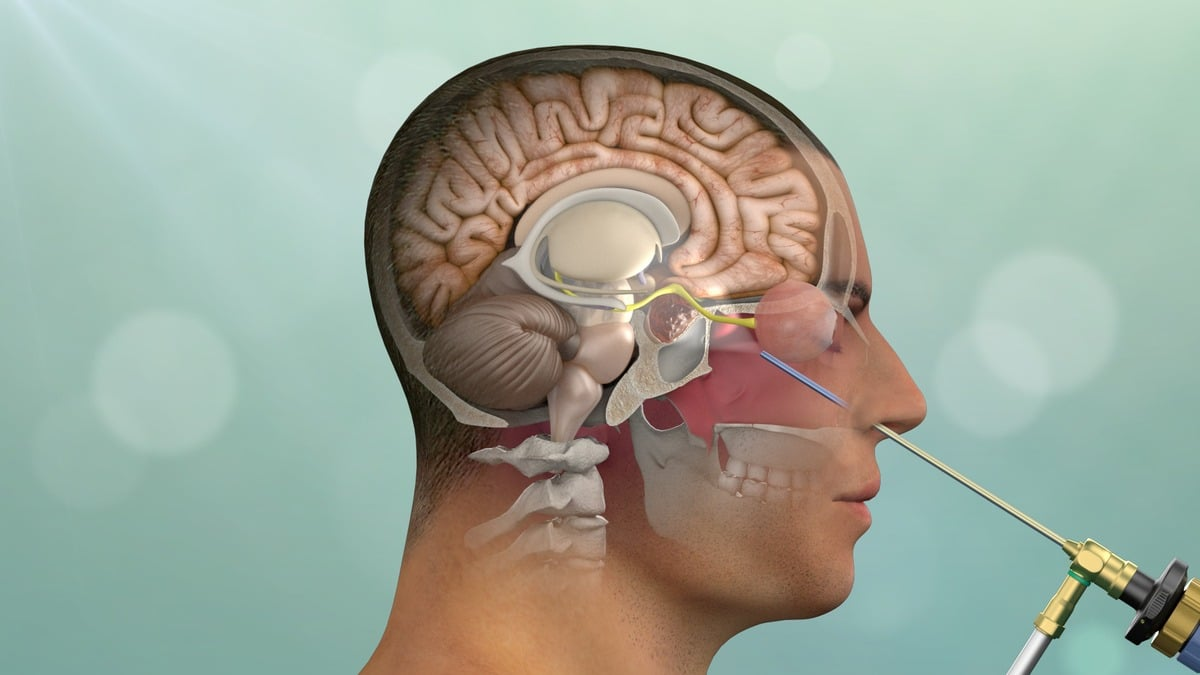
This innovative approach uses the nasal cavity as a natural corridor to access the skull base. Instead of opening the skull, surgeons carefully navigate through the nasal passages with high-definition endoscopes and precision instruments.
For patients seeking advanced treatment options, specialists like Dr. Anil Gwaliorkar, recognized for expertise in Pituitary Tumor surgery Indore, provide minimally invasive approaches that allow tumor removal with less trauma and faster recovery.
Understanding Pituitary Tumors
What Is the Pituitary Gland?
The pituitary gland is a small pea-sized organ located at the base of the brain, responsible for controlling hormones that regulate:
- Growth
- Metabolism
- Reproductive functions
- Stress response
- Thyroid activity
Because of its role as the body’s “master endocrine gland,” even small tumors can cause significant symptoms.
What Is a Pituitary Tumor?
Most pituitary tumors are benign (non-cancerous) adenomas, but they can still cause problems by:
- Producing excess hormones
- Pressing on nearby structures like the optic nerves
- Affecting normal pituitary function
What Is Endoscopic Pituitary Surgery Through the Nose?
Endoscopic pituitary surgery—also called transnasal transsphenoidal surgery—is a minimally invasive procedure that allows surgeons to remove pituitary tumors through the nostrils.
Instead of making a large incision in the skull, the surgeon inserts a thin endoscope equipped with a high-definition camera through the nasal passages to reach the pituitary gland.
This approach:
- Avoids brain retraction
- Leaves no visible scars
- Reduces recovery time
- Minimizes surgical trauma
According to clinical studies, fully endoscopic transnasal techniques have improved tumor removal rates while reducing complications compared to older microscopic approaches.
Role of ENT Specialists in Pituitary Tumor Surgery
Pituitary tumor surgery is often a collaborative procedure between ENT specialists and neurosurgeons.
ENT Specialist Responsibilities
The ENT surgeon focuses on the nasal and sinus portion of the surgery, which includes:
- Creating safe access through the nasal cavity
- Opening the sphenoid sinus
- Providing clear visualization for the neurosurgeon
- Protecting nasal structures during the procedure
Neurosurgeon’s Role
Once the surgical pathway is created, the neurosurgeon removes the tumor from the sella turcica, the small cavity that houses the pituitary gland.
This team-based approach significantly improves safety and surgical precision.
Step-by-Step: How Pituitary Tumor Surgery Is Performed Through the Nose
1. Nasal Endoscopic Access
The procedure begins with a high-definition endoscope inserted through the nostril, providing a magnified view of the nasal passages.
2. Opening the Sphenoid Sinus
The ENT surgeon performs an endoscopic transnasal sphenoidotomy, carefully opening the sphenoid sinus to reach the skull base.
3. Exposure of the Sella Turcica
Once the sphenoid sinus is opened, surgeons gain access to the sella turcica, the bony cavity containing the pituitary gland.
4. Tumor Removal
The neurosurgeon removes the tumor using specialized micro-instruments, ensuring minimal damage to surrounding structures.
5. Reconstruction of the Surgical Area
After tumor removal, the surgical area is reconstructed using tissue grafts or synthetic materials to prevent cerebrospinal fluid leakage.
Advantages of Endoscopic Endonasal Pituitary Surgery
Modern endoscopic surgery offers several advantages over traditional brain surgery.
Minimally Invasive Approach
The nasal corridor eliminates the need for external incisions.
No Brain Retraction
Surgeons reach the tumor without manipulating brain tissue.
Faster Recovery
Many patients are discharged within 24–48 hours after surgery.
Improved Visualization
High-definition endoscopes provide better magnification and lighting than older surgical techniques.
Success Rates of Transnasal Pituitary Surgery
Clinical research shows encouraging outcomes.
Studies indicate:
- Cure rates above 80% for microadenomas
- Average surgery time around 90 minutes
- Lower complication rates compared to traditional approaches
These results demonstrate why the endoscopic endonasal approach is now considered the gold standard for many pituitary tumors.
Recovery After Pituitary Tumor Surgery
Recovery is usually smoother than traditional brain surgery.
Hospital Stay
Most patients stay in the hospital one or two days for observation.
Post-Surgery Symptoms
Temporary symptoms may include:
- Nasal congestion
- Mild headache
- Fatigue
Return to Normal Activities
Patients typically resume daily activities within 2–3 weeks, depending on individual recovery.
Potential Risks and Complications
Although minimally invasive, pituitary surgery still carries some risks.
Possible complications include:
- Hormonal imbalance
- Cerebrospinal fluid leak
- Nasal bleeding
- Infection
However, experienced ENT-neurosurgery teams significantly reduce these risks.
Who Needs Pituitary Tumor Surgery?
Surgery may be recommended if a tumor:
- Causes vision problems
- Produces excess hormones
- Grows large enough to compress nearby structures
- Does not respond to medication
Early diagnosis and treatment can prevent long-term complications.
When Should You See an ENT Specialist?
Seek medical evaluation if you experience:
- Persistent headaches
- Vision changes
- Hormonal imbalance symptoms
- Unexplained fatigue or weight changes
Patients looking for advanced care often consult specialists experienced in Pituitary Tumor surgery Indore for comprehensive diagnosis and treatment.
Call to Action: Get Expert Evaluation for Pituitary Tumors
If you or a loved one has been diagnosed with a pituitary tumor, understanding modern treatment options is essential. Minimally invasive endoscopic surgery can offer effective tumor removal with faster recovery and minimal discomfort.
Consulting a skilled ENT specialist can help determine the best treatment plan for your condition.
Why Choose Dr. Anil Gwaliorkar for Pituitary Tumor Treatment
Patients seeking expert ENT care in Indore trust Dr. Anil Gwaliorkar, recognized as a leading Pituitary Tumor surgery Indore specialist.
Key reasons include:
- Expertise in advanced endoscopic ENT procedures
- Collaborative surgical approach with neurosurgeons
- State-of-the-art diagnostic technology
- Patient-focused treatment planning
International ENT organizations such as the International Federation of ORL Societies emphasize multidisciplinary approaches for skull base surgery to improve patient outcomes (https://www.ifosworld.org/).
Conclusion
Advances in medical technology have transformed pituitary tumor treatment. What once required major brain surgery can now often be performed through the nose using endoscopic endonasal techniques.
This minimally invasive approach allows surgeons to remove tumors with precision while reducing risks and recovery time. For patients experiencing symptoms related to pituitary tumors, early consultation with an experienced ENT specialist can make a significant difference in treatment outcomes.
Frequently Asked Questions
Yes. Endoscopic endonasal surgery allows surgeons to remove pituitary tumors through the nostrils without external incisions.
When performed by experienced ENT and neurosurgery teams, it is considered a safe and highly effective procedure.
Most surgeries take around 90 minutes, depending on tumor size and complexity.
No. Because the surgery is performed through the nostrils, there are no visible scars.
Most patients recover within 2–3 weeks, although complete healing may take longer.